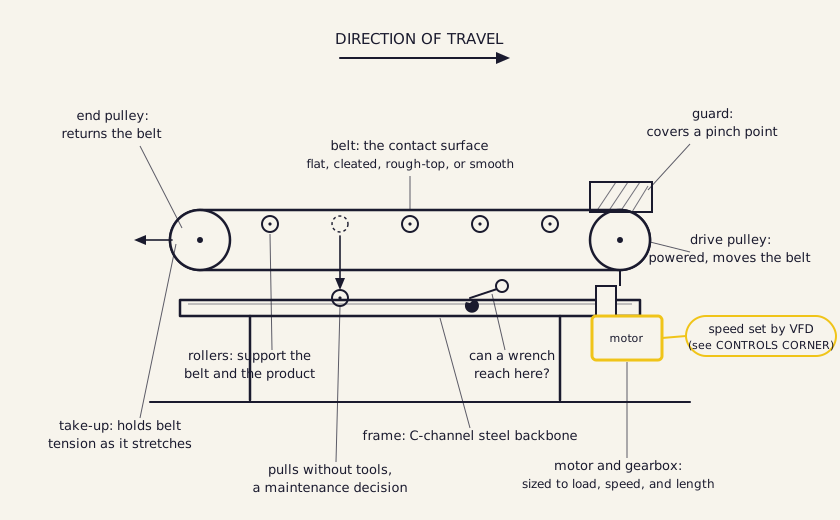
Every major component in one section. The pulled roller and the wrench in the gap are the parts a spec sheet leaves out.
C-channel backbone. Width follows the belt, gauge follows the load. It answers decisions the product already made.
Support and move the product. Spring-loaded axles pull out and drop back in without tools.
The surface between drive and product. Grip is a choice, and it stretches as it breaks in.
Motor, gearbox, drive pulley. Sized from load weight, belt speed, and system length.
One pulls the belt, one returns it. Crowned to keep the belt tracking centered.
Holds belt tension as the belt stretches. Adjustable beats fixed when you have to retension.
Cover the pinch points, and decide whether a person can reach the part underneath to service it.
The part nobody draws. If a wrench can't reach the wear, the layout isn't done.