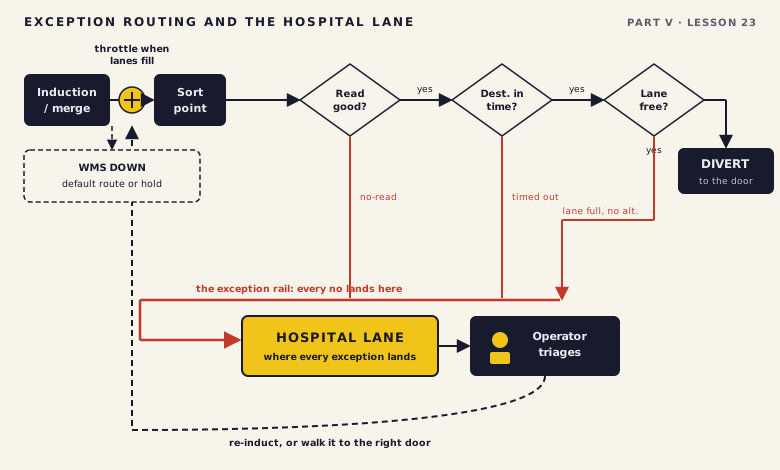
Every no lands on one rail and ends at the hospital lane.
A photoeye that should clear stays blocked past its window. The PLC stops that zone and alerts the operator. Blunt on purpose: a jam that keeps feeding grows.
The photoeye at a lane's entry stays blocked, so the lane can't take more product. The carton goes elsewhere: a backup lane, recirculation, or the hospital lane.
The destination of last resort: a dedicated sort spot with an operator workstation, where a person triages each exception and re-inducts it.
Example only. The percentages are placeholders to show the method, not measured rates for any real system.
Size the hospital lane to exception volume, not system volume: system throughput × expected exception rate. E.g. 1,200 cartons/hr × 2% = 24/hr the lane and its operator have to clear, plus margin.