PART VI | LESSON 26: RELIABILITY ENGINEERING MATERIAL HANDLING ACADEMY
DRIVING QUESTION When this system fails, how fast is it back up, and can this customer keep it running?
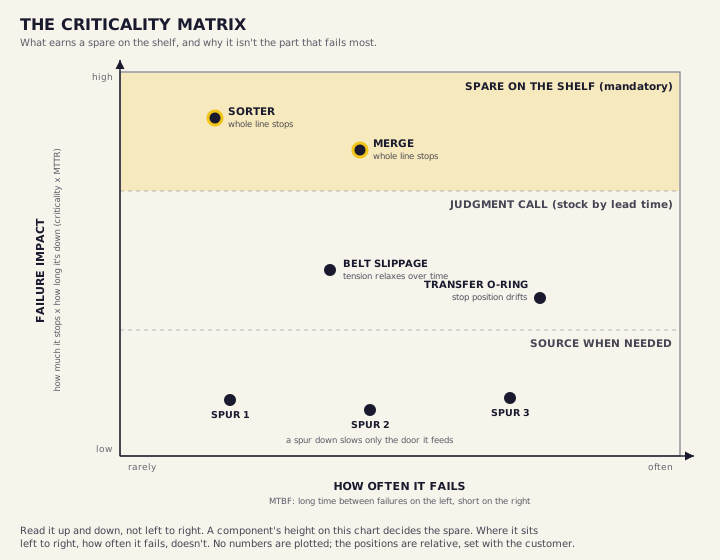
A two-by-two matrix. The horizontal axis is how often a component fails, labeled MTBF. The vertical axis is failure impact, labeled criticality times MTTR. A gold band across the top is labeled spare on the shelf, mandatory; the middle band is judgment call, stock by lead time; the bottom band is source when needed. The sorter and the merge sit high in the gold band, marked whole line stops. The takeaway spurs sit low, marked a spur down slows only the door it feeds.

Read it up and down, not left to right. A component's height decides the spare; its left-to-right position doesn't.

Three Questions Per Component

MTBF

How often does it fail? A frequency, and on its own it tells you almost nothing about what a failure costs.

MTTR

How long is it down when it does? The rare failure with a long-lead part can hurt more than the weekly five-minute fix.

Criticality

What does the failure do to the rest of the system? Whole-line stop or one lane degraded. This drives the spares strategy.

DESIGN PRINCIPLE A system is only as reliable as the team that maintains it.